
How to Store Wine at Home: The Complete Guide

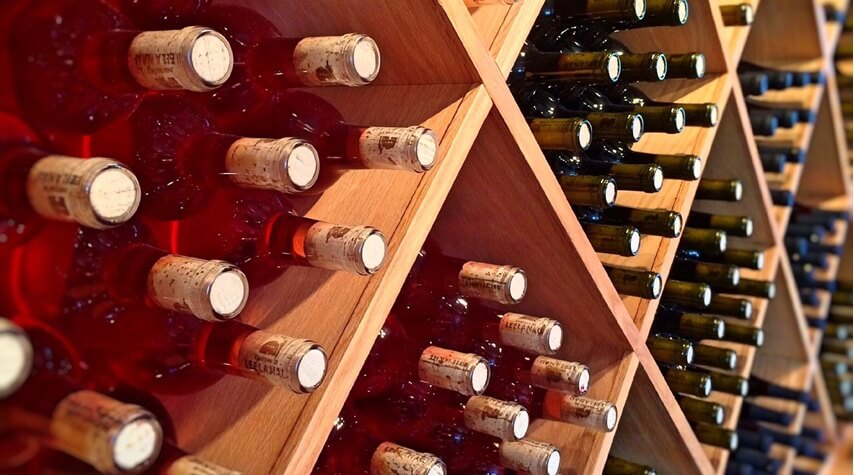
If you’ve ever opened a bottle you were “saving for later” only to find it tasted flat, sour, or just… off, you already know there’s something you must have done incorrectly in terms of how you kept your wine.
It turns out that there are a lot of factors involved with storing wine correctly at home! No more putting in the fridge and forgetting about it until next time you’re craving a glass or entertaining guests.
The good news? You don’t need a medieval stone cellar or a Napa Valley estate to store wine properly.
Whether you’re working with a tiny apartment kitchen, a dedicated wine basement, or something in between, understanding the basics of wine storage temperature, humidity, light exposure, and bottle position will protect your investment and your future dinner plans.
This guide breaks down exactly how to store wine at home, from ideal conditions to practical solutions like wine racks, wine cabinets, wine fridges, and wine coolers. Trust me, there isn’t something in this guide that I haven’t done, so I’m here speaking from firsthand experience!
Why Proper Wine Storage is So Valuable
Wine can certainly make us feel alive, but did you know the liquid itself is also alive?! Even after bottling, it continues to evolve. However, because of this characteristic, it’s quite sensitive to its environment. Think of it like a very finicky houseplant that reacts to heat, dryness, and light.
Poor storage can cause:
- Premature aging
- Oxidation
- Dried-out corks
- Flavor breakdown
- Complete spoilage
On the other side, correct home wine storage conditions allow wine to:
- Age gracefully
- Maintain aroma and structure
- Develop complexity over time
- Taste exactly how the winemaker intended
If you’re buying wine to drink within a few weeks, you don’t need to hit the mark 100%. But if you’re building even a small collection, temperature and humidity become pretty crucial.
The Big Three: Temperature, Humidity & Position
Before we dive into anything else, we need to start with the fundamentals of wine storage.
Ideal Wine Storage Temperature
The Sweet Spot: 45°F–65°F (7°C–18°C)
The ideal long-term wine storage temperature is around 55°F (13°C). If you can hit that number, you’re in the clear.
Wine ages best in cool, consistent environments, so try not to fluctuate from that number very much. If it gets too warm, it will mature too quickly. On the other hand, if temperatures get too low, the aging process slows dramatically (or corks can be compromised).
Why Temperature Stability Is Crucial
Fluctuating temperatures are worse than those that fluctuate just a tiny bit. Repeated expansion and contraction of the liquid is not what we want, and can:
- Push the cork outward
- Let oxygen seep in
- Damage long-term aging potential
If your kitchen regularly ranges in temperature from 65°F to 80°F, that’s not great at all for storage.
Quick Temperature Guide
| Wine Type | Ideal Storage Temp |
| Red wine | 55–65°F |
| White wine | 45–55°F |
| Sparkling wine | 45–50°F |
| Long-term aging wines | ~55°F |
Pro tip: Serving temperature is not storage temperature. You might serve reds warmer and whites colder than how you have them stored, though storage is more importantly about consistency.
Wine Storage Humidity
Humidity is often overlooked in home wine storage, but it’s actually extremely important.
Ideal Humidity: 50%–70%
We’ll get a bit more into this in a moment, but the cork is the key player here. If the air is too dry:
- Cork dries out
- Shrinks
- Lets oxygen in
- Wine oxidizes
If humidity is too high:
- Labels can peel
- Mold can develop
- Storage areas can become musty
Most homes are naturally between 30–50% humidity, which is just a bit dry for wine. That doesn’t mean you have to give up on your wine dreams, though. That’s where wine cabinets and wine fridges come in – many regulate humidity automatically, so you never have to worry about it.
Bottle Position: Horizontal vs Vertical
So now, how do you place your bottles after you have the previous steps sorted?! Short answer: Store wine bottles on their side.
Why? Because wine needs to keep the cork moist from the inside. A dry cork shrinks, and a shrunken cork equals oxygen exposure. If you didn’t know that that mattered, not to worry – you are definitely not alone!
Store Wine Horizontally If:
- The bottle has a cork
- You’re aging it
- It will sit longer than a few months
Vertical Is Fine If:
- The wine has a screw cap
- You’re drinking it within weeks
If you were wondering why wine racks are made to store bottles horizontally, the reason is largely functional rather than aesthetic – though it does kind of look nicer that way.
Where to Store Wine at Home
With SO many options for wine setups and storage options, it can honestly be overwhelming knowing where to begin and what’s right for your needs. Let me break them all down for you, so there’s no doubt after you’re finished reading.
Option 1: A Dedicated Wine Fridge (Best Overall)
If you’re really serious about proper wine storage at home, a wine fridge (also called a wine cooler) is the easiest, most reliable solution. If you just want to pretty much set it up once and forget about it, this is the answer.
Why Wine Fridges Are Ideal
- Controlled temperature
- Stable environment
- UV-protected glass doors
- Adjustable shelving
- Consistent humidity
Unlike kitchen refrigerators (which we’ll later find out are not ideal for storing vino), wine fridges are designed specifically for wine aging.
Single-Zone vs Dual-Zone Wine Fridges
- Single-zone wine cooler: One consistent temperature (best for aging).
- Dual-zone wine fridge: Two compartments. These are best if you plan on keeping both reds and whites at serving temps.
For collectors, a wine fridge is hands-down the best investment.
Option 2: Wine Cabinets
A wine cabinet is like a more furniture-style solution for wine storage. We’re talking elegant wood cabinetry with built-in cooling systems – pretty cool, right?
Best for:
- Medium to large collections
- Visible display
- Living room or dining room storage
Wine cabinets regulate:
- Temperature
- Humidity
- Light exposure
They’re aesthetic and functional, and basically are the grown-up version of stacking bottles in a pantry. Plus they just make you look so much more legitimate to your friends.
Option 3: Wine Racks (Good for Short-Term Storage)
A wine rack is great, but only if the surrounding environment is stable. Otherwise, there’s really no point to having one.
Wine racks:
- Store bottles horizontally
- Maximize space
- Keep bottles organized
They do not regulate temperature or humidity. They are solely for storage and display.
So they’re perfect if:
- You drink bottles within a few weeks
- You have a naturally cool basement
- Your home climate is stable
They’re not ideal for long-term aging in a warm apartment, for example.
Option 4: Basement Storage
If you’re lucky enough to have a naturally cool basement (around 55–65°F year-round), congrats – you essentially have your own DIY wine cellar just hanging out for use whenever you need it.
Just make sure:
- It’s dark
- Not damp
- Free from vibration
- Away from heating pipes
Take that environment and elevate it with sturdy wine racks, and you’ve got a seriously great setup.
Things That Ruin Wine (Avoid These)
Let’s talk about what NOT to do, as I find these easy to avoid once you actually know them.
Storing Wine in the Kitchen
Heat from ovens + sunlight + temperature swings = wine’s worst nightmare. Yes, I’m also guilty of pouring myself a glass and forgetting the bottle on the countertop, but please don’t do this!
Keeping Wine on Top of the Fridge
Keeping wine on top of your fridge is a hard no. Not only is it all too easy for the wine bottle to fall off and break on the floor, but it’s also too warm and vibrates constantly.
Long-Term Storage in a Regular Refrigerator
You may be thinking, “Why can’t I just store my wine in my fridge?”
It may seem all too convenient and obvious, but there’s a reason why they aren’t ideal, albeit super accessible.
Regular refrigerators are:
- Too cold (around 35–40°F)
- Too dry
- Vibration-heavy
These are perfectly okay for chilling before serving. Not okay for aging, though!
Direct Sunlight
UV light breaks down wine compounds and ages wine prematurely. Store bottles in dark spaces or behind UV-protected glass. I highly recommend never storing them near windows or direct sunlight, as this can seriously ruin the wine quickly.
How Long Can You Store Wine at Home?
Most wines are meant to be consumed within 1–3 years of purchase. But did you know that only a small percentage of wines are ideal for aging? I unfortunately discovered this the hard way, but let’s not get into that. Let’s get into what you should do!
Age-Worthy Wines
- High-tannin reds (Cabernet Sauvignon, Barolo)
- High-acid whites (Riesling)
- Fortified wines (Port)
If you’re aging wine longer than 3–5 years, a wine fridge or wine cabinet becomes an absolute must to keep them at their best.
Quick Storage Setups Based on Lifestyle
Let’s make this practical. We don’t need to go over the top or too basic. It’s all about finding what works well with your wine lifestyle.
Casual Wine Drinker
- 6–12 bottles
- Drink within months
- Stable apartment
Solution: Small wine rack in a cool closet. These are super easy to operate, take up very little space, and are inexpensive.
Weekend Enthusiast
- 20–40 bottles
- Mix of reds and whites
- Some aging plans
Solution: Dual-zone wine fridge. These are designed to keep both your reds and whites at their ideal temperatures – perfect if you’re a white wine lover who’s surrounded by red aficionados.
Serious Collector
- 50+ bottles
- Long-term aging
- Investment wines
Solution: Large-capacity wine cabinet or dedicated wine fridge. These are so much fun and are a HUGE benefit in terms of convenience. Not to mention, they’re a fancy way to show off your collection.
Bonus: Open Bottle Storage
Once opened, wine operates very differently, so your storage rules have to shift, as well.
How to Store Open Wine
- Recork tightly
- Store upright in fridge
- Use within 3–5 days
- Consider vacuum pump stoppers
Yes, even red wine goes in the fridge after opening. I know that’s weird (at least it was for me when I first made this discovery!).
Final Thoughts: Wine Storage Doesn’t Have to Be Complicated
Storing wine properly at home doesn’t have to involve some crazy attention to detail or make you feel paranoid. That’s not fun for anybody, and a lack of fun is basically the anti-wine!
If you remember nothing else, remember this:
- Keep it cool (around 55°F ideally)
- Keep it dark
- Keep it horizontal
- Keep the temperature stable
Whether you choose a wine rack, a wine cabinet, a wine fridge, or a full-blown cellar, the goal is the same: protect the bottle so it tastes incredible when you finally crack it open.
Because future-you deserves better than fried, oxidized disappointment.
And honestly? There’s something deeply satisfying about opening a bottle you stored properly and thinking, “Yeah. I owned that.”
Jameson is the founder of ChoiceWineries.com. After years of professional experience in technology, data, and analytics he decided to apply those skills to a hobby he wanted to gain a further appreciation for – wine. An avid wine drinker, he enjoys bold reds with heavy oak influence.