Behind the Scenes: A Day in the Life at a Winery


Imagine pulling up to a gorgeous vineyard just as dawn is cracking, with the smell of fresh air and the image of rolling vines shining with morning dew. Your team lugs about crates of plump grapes, the crunching of clusters underfoot mixing with the hum of the crusher inside the cellar.
It sounds like some sort of movie scene, but it’s the reality of winemaking. If you’ve ever wondered what really goes on behind the tasting room at a winery – from harvest to barrel room to bottling – strap in because we’re going in!
Early Morning: Harvest Season Begins
When it comes to harvest season at a winery, it is a lot harder work than it may seem. It’s a full-on hustle, and usually occurs between late August and October in the Northern Hemisphere.
Checking the Ripeness
Before anything happens, a team needs to be sampling grapes multiple times per week, measuring sugar levels, testing acidity, and checking tannin development. To make sure wine is of quality, timing is everything.
Picking the Grapes
Generally speaking, you’ll see two methods utilized:
- Hand-Picking: For precision, minimal damage, especially in premium vineyards
- Mechanical Harvesting: Faster, more cost-effective, but may be harsher on fruit.
Crews are moving through the vines at dawn and even at night sometimes (usually when it’s really hot out), in order to keep grapes cool on their way to the cellar.
Arrival at the Winery
Once the grapes arrive, they’re offloaded and moved quickly into sorting stations. The speed at which this is done is important because good fruit = better wine.
Crushing, Sorting & The Big Transformation
This is where the whole process starts – the grapes leave the vine and begin their transformation into wine!
Sorting & Destemming
Before any juice starts flowing, grapes are sorted. Cut bunches, under-ripe or over-ripe grapes, leaves, stems – all of it is filtered out. Most wineries remove stems and crush the grapes to release the juice.
Crushing & Pressing
What’s the difference? Here’s the breakdown:
- After crushing, the must (juice + skins + seeds) goes into fermentation for reds. Since red wine extracts color and tannin from skins, they must all be together.
- For whites, you’ll notice that pressing often happens early. Juice is separated from skins so the wine keeps a lighter appearance and a cleaner profile.
Imagine huge steel crates filled with grapes, forklifts moving them into presses, and foam frothy with CO2 as fermentation begins. That’s what this stage looks like.
Fermentation & Barrel Room Atmosphere
It’s an interesting combination of artisanry and science here, where juice becomes wine!
Primary Fermentation
Yeast eats up sugar and converts it into alcohol and carbon dioxide. For reds, the “cap” of skins floats. Winemakers have to ensure they remain in contact with the juice to extract flavor and color.
Temperature is crucial as well, and it’s under near constant monitoring in order to produce clean, controlled fermentations that stay free of any off-flavors. White wines usually ferment cooler and faster, whereas reds are slower and richer.
Malolactic, Aging & the Barrel Room
After initial fermentation, many reds (and even some whites) experience malolactic fermentation where the sharper malic acid gets softer, making for a smoother wine.
After this point, wine goes into aging mode:
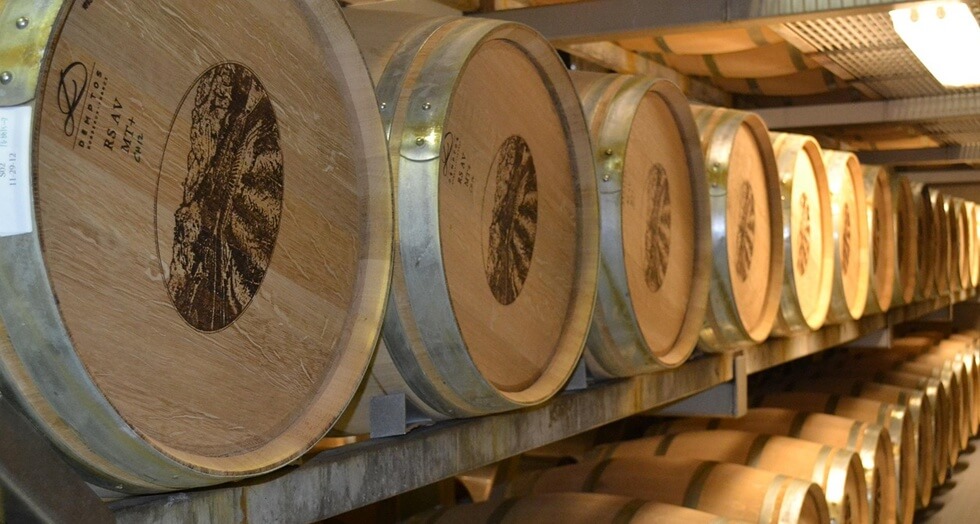
- Barrel Room: Oak barrels (French, American) offer flavors of vanilla, spice, and toast.
- Tank Aging: Stainless or concrete both keep fruit bright and pure.
Clarification & Filtration
We don’t want any wine with stuff floating around in it! Wine should be clear and stable, so fining agents are incorporated to remove proteins or tannins, followed by proper filtering of the wine. However, some choose to skip the filtration step for a more “natural” style.
Blending
This is more common in larger wineries, with multiple batches, or with varietals – they may be blended in order to keep consistency or a very specific profile. A winemaker will go to the lab, taste barrel samples, and essentially mix and match until the balance is just right.
Bottling
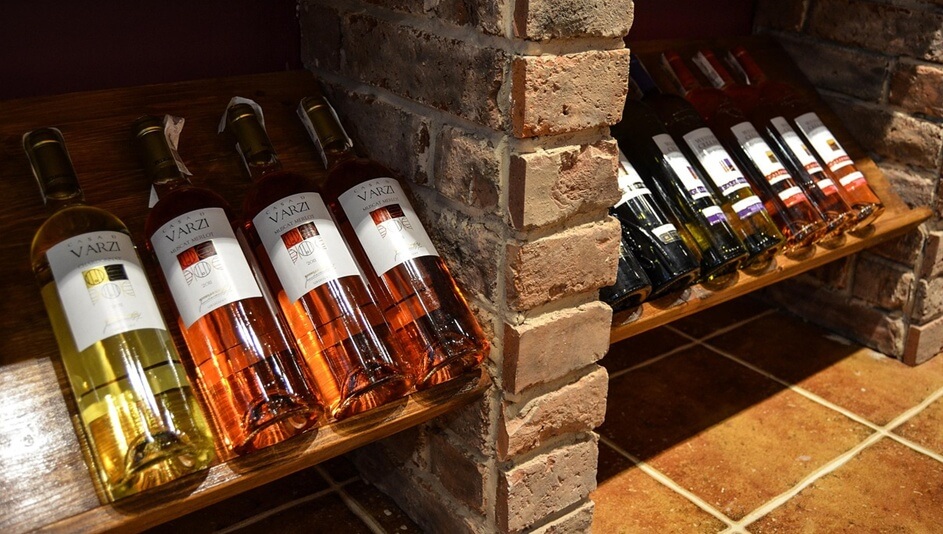
This is the last step, but it’s no less important than the previous ones. Minimal oxygen exposure, accurate filling, corking/screw-caps, and labeling are all essential. Depending on the wine, some will stay bottled to age further before release.
Depending on the size of the winery, there’ll be a bottling line where bottles roll on a conveyer, are filled, corked, labeled, boxed, and have a vintage year marked on it.
Harvest Season Realities: The Human & Technical Side
Everything surrounding wine tends to be romantic, from the rolling hills to the wine itself. However, there’s so much unpredictability and urgency that winemaking involves!
The Race Against Weather & Time
Even wineries that have everything perfectly dialed in can experience hurdles of heat waves, rain, frost, grapes not ripening after being picked, and much more! Harvesting is always a gamble, no matter what.
Labor Intensity
Early mornings, long shifts, and heavy bins are always a thing in this world. Precision is crucial, and every single decision affects quality and cost. Whether that is a positive or negative effect depends on many factors. For example, hand-picking offers much more control, but that requires…people. That type of manpower isn’t easy to come implement!
Winemakers’ Choices = Signature Style
You may have 2 wines that start out the exact same, but winemakers’ choices in picking timing, how the grapes are crushed/pressed, fermentation choices, the aging vessel, blending, etc. ALL change a wine significantly.
The “Why It All Matters” Moment
When you’re enjoying a glass of wine, it’s much more than “fermented juice”. The liquid carries stories: like the vine’s struggle during a drought or rain, the pickers poring over the grapes at dawn, the winemaker’s choice between oak or stainless, and much more.
- Harvest Decisions affect quality and style
- Crushing & Fermentation Choices affect flavor, texture, and color
- Aging & Blending change character and signature
- Bottling changes the shelf presence
Final Thoughts: From Grape to Glass & Beyond
Next time you crack open a bottle of wine, think about the journey it’s been on to get there. The vines, the dawn harvest, the crushers, bubbling tanks, barrel room, the labeling line – it’s lived a whole life before it even met you! The charming image of uncorking a bottle doesn’t capture the full grind, the precision, or the artistry required.
If you ever have the chance, I highly encourage you to go on a wine tour if you’re ever in wine country during harvest. I’ve been to many that take you into the cellar, the barrel rooms, and even let you pick some grapes if you luck out!

Richard is owner and the chief editor of Choice Wineries. He contributes expert content relating to wine making and winery reviews.
After graduating from the DeVry Institute of Technology, he worked in IT for over 20 years before deciding to escape the office and share his passion for wine.
With a passion for the great outdoors, Richard spends a lot of time in Colorado. There he enjoys skiing, snowboarding, mountain biking, cycling, hiking, and of course visiting wineries.
His outdoor adventures are not confined to the continental US. Richard is an avid traveler who flies up to 10 times a year and has visited 18 countries.
Because of his wealth of knowledge and experience, Richard has been invited to contribute articles to many websites, such as Florida Rambler, and has been profiled on travel websites such as JohnnyJet.